
Why a Professional Land Surveyor Matters Before Buying an Older Lot
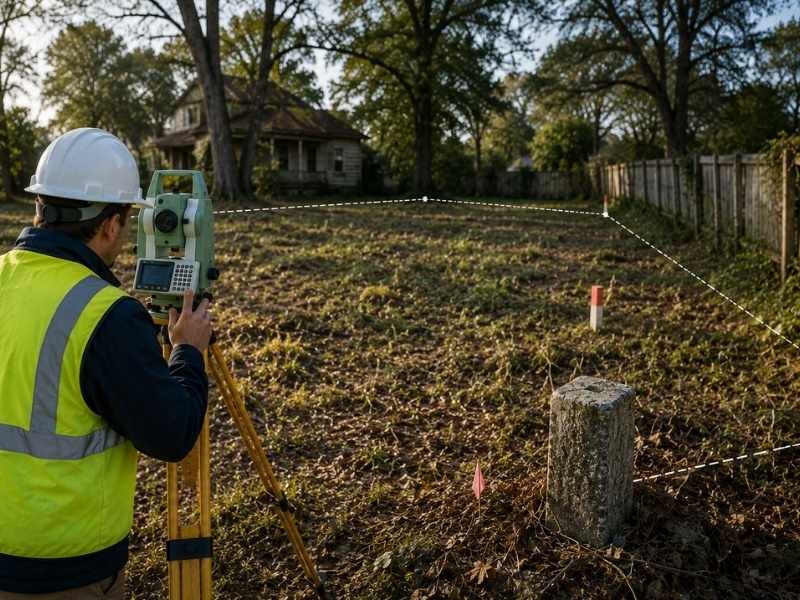
An older lot can conceal a surprising amount of history within its property lines. A professional land surveyor knows how to read that history before you buy. Old records fade, markers go missing, and lot lines drawn long ago may not match the ground today. A careful survey turns those question marks into clear answers. When you buy land with a long past, a trained surveyor helps you see exactly what you are getting.
Why Older Lots Need a Careful Survey
People mapped many older lots using tools and rules from an earlier time. Some old deeds describe lines by a tree, a creek, or a stone that no longer exists. Across the decades, owners came and went, and countless small changes added up. A professional land surveyor compares the old records to the ground today. That side-by-side check shows where the paper and the land no longer agree.
Find Boundary Problems Before You Buy
On an older lot, neighbors often wrote their deeds years apart, which means the lines can gap or overlap. A surveyor searches for these mismatches and for anything that gradually encroached over the boundary. A shed, a driveway, or a row of plants may sit where it should not. Catching this before you buy gives you room to ask questions or adjust your offer. After closing, the same problems become yours to solve.
What Makes Older Lots Different
Many older lots carry shapes and dimensions that newer parcels simply do not. Some are long and narrow, some follow old roads, and someone split others off bigger parcels by hand. Their records may use old measuring styles that are harder to match to modern maps. A long chain of owners can also leave behind changes that no one wrote down. All of this means an older lot needs a closer look.
Check for Easements and Access Rights
An older lot can carry rights and restrictions established decades ago. A neighbor may share the driveway, or an old utility line may cross the yard under a recorded easement. Sometimes no one ever put the seller’s access in writing. A survey shows what is recorded and what is only assumed. Understanding that difference protects how you intend to use the land.
Buy With More Confidence
A survey replaces years of uncertainty with measured facts you can actually trust. You learn the true size, shape, and limits of the land before you sign. With a certified survey in hand, you can plan a fence, a garden, or an addition without fear of crossing a line. You can also use the findings to talk about price or terms. That clear picture makes a big purchase feel far less risky.
Frequently Asked Questions
What does a professional land surveyor do?
A professional land surveyor measures land and marks its legal boundaries. They compare deeds, maps, and old markers, then certify where each property line truly falls. That signed and sealed work carries legal weight that a casual guess never could.
Why should I survey an older lot?
Older lots often come with faded records and markers that vanished long ago. A survey checks those old lines against the ground as it sits today. With that information, you learn the real boundaries before you ever sign the papers.
Can a survey find boundary problems?
Yes, a survey can reveal gaps, overlaps, and things built across a line. These issues show up often on older lots, because neighbors drew their records at different times. Finding them early gives you a chance to fix the problem before it becomes yours.
What is an easement?
An easement is a recorded right that lets someone else use part of your land. Common examples include a shared driveway and a path set aside for utility lines. The right stays with the property, so it can affect how you use the land for years.
When should I hire a professional land surveyor?
Hire one before you buy, especially when the lot has a long history. Early results give you time to review the boundaries and raise any concerns with the seller. Waiting until after closing leaves you to deal with whatever the survey would have caught.
How long does a land survey take?
An older lot can take longer because the records need extra research. Many surveys finish within a week or two, though a tricky history can add more time. Your surveyor can give a closer estimate once they review the records for your parcel.