What Surveying Companies Check
Many homeowners contact surveying companies after problems appear, not before. They pick a fence style, hire a contractor, and expect the project to move quickly.
Then the issues start.
A neighbor questions the fence location. A utility company flags the area. Worse, part of the fence ends up outside the property line.
That happens more often than people think.
In Mobile, many properties have older lot records, hidden survey markers, and uneven property lines. Because of that, homeowners often call surveying companies before fence construction starts. A survey helps confirm where the fence can legally go before money gets spent.
Why Should You Call Surveying Companies Before Building a Fence?
Surveying companies help confirm where your property lines are before fence work starts. They check records, markers, easements, and site conditions so your fence does not cross into a neighbor’s land or block utility access. This helps homeowners avoid removal costs, disputes, and delays.
Why Fence Projects Often Turn Into Property Disputes
Many homeowners believe the edge of the yard shows the real property line.
That is not always true.
Sometimes an older fence sits in the wrong spot. Other times, neighbors guessed where the line should be years ago. Over time, those guesses turn into expensive problems.
Trees, bushes, and landscaping also hide property corners. In some neighborhoods, original markers disappeared because of storms, erosion, or construction work.
As a result, homeowners may build a new fence in the wrong place without realizing it.
Later, the fence may need to come down. That creates stress, extra costs, and neighbor disputes that could have been avoided early.
What Do Surveying Companies Check Before Fence Installation?
Before fence installation, surveying companies check boundary lines, easements, encroachments, visible property markers, and possible site restrictions. They compare legal records with real conditions on the property. This gives homeowners and fence contractors clear information before posts go into the ground.
Property Boundary Lines
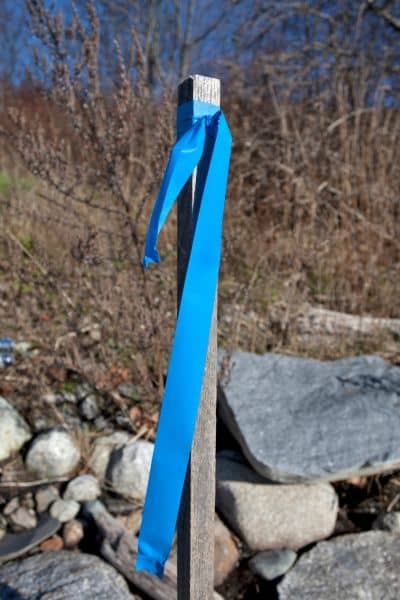
The biggest part of the survey involves locating the true property boundaries.
Surveyors measure the land carefully and search for existing markers. They also compare deed information with the actual site.
This step matters because property lines rarely match what homeowners assume.
A yard may look wide open, yet the legal boundary could sit several feet away from where someone expects. That small difference can completely change fence placement.
Easements
Surveying companies also check for easements.
An easement gives another party legal access to part of the property. Utility companies often hold easements for:
- power lines
- drainage systems
- underground pipes
- access areas
Homeowners sometimes build fences across those areas without knowing it.
Later, utility crews may remove part of the fence to reach the equipment. That surprises many property owners.
Because of this, surveying companies help identify restricted areas before construction starts.
Encroachments
Next, surveyors look for encroachments.
An encroachment happens when a structure crosses a property boundary. This may involve:
- sheds
- driveways
- older fences
- retaining walls
- patios
Even a small overlap can create legal problems later.
For example, a new fence may accidentally connect to a neighbor’s misplaced structure. That mistake can quickly turn into a property dispute.
Setback and Fence Rules
Surveying companies may also help homeowners understand local fence placement concerns.
In Mobile, fence height, placement, and visibility rules can vary depending on the property location and zoning district. Some street-facing fences may have additional restrictions.
Because of that, homeowners should confirm local fence requirements before construction begins.
A survey helps connect those rules to the actual property lines on the ground.
Why Are Mobile Properties Harder to Check?
Mobile properties can create extra challenges during fence planning.
Many neighborhoods contain older homes with records that changed over time. Some lots also have irregular shapes that confuse homeowners.
In addition, heavy rain and coastal weather affect the ground itself. Over the years, erosion and drainage changes may shift visible property features.
Thick vegetation creates another problem. In some yards, bushes and trees completely hide survey markers.
As a result, homeowners often rely on guesses instead of verified measurements.
That creates risk before fence construction even begins.
Common Mistakes Homeowners Make Before Building a Fence
Fence problems usually start with small assumptions.
Unfortunately, those assumptions often cost money later.
Assuming the Existing Fence Is Correct
Many people think the old fence shows the correct property line.
That is not always true.
A previous owner may have installed the fence without a survey. In some cases, contractors placed fences based only on rough measurements.
If the old fence sits incorrectly, copying that same location creates the same mistake again.
Using Online Maps as Proof
Some homeowners check satellite maps online and assume the lines look accurate.
However, online maps do not provide legal boundary information.
The image may appear close, yet the actual property line could differ by several feet.
That gap matters during fence construction.
Skipping the Survey to Save Money
Some property owners avoid surveys because they want to lower project costs.
At first, that seems reasonable.
However, fixing a bad fence location usually costs far more than the survey itself.
Fence removal, legal disputes, and reconstruction quickly become expensive.
Because of that, many homeowners choose to verify the property lines first.
When Should You Contact a Surveying Company?
You should contact a surveying company before building a fence if property markers are missing, the fence will sit near the property line, a neighbor questions the boundary, or utilities run nearby. A survey is also helpful after buying a home or replacing an old fence.
You should also contact surveying companies if:
- no property markers are visible
- the fence will sit near the property edge
- an older fence already looks uneven
- utilities or drainage areas exist nearby
- you recently purchased the property
These situations increase the chance of mistakes during installation.
What Happens During a Fence Survey?
The process usually starts with a site visit.
Surveyors inspect the property, review records, and take measurements. They also search for existing markers and corners connected to the lot.
Next, they compare field data with legal documents.
After that, they mark important points on the property so homeowners and contractors can clearly see the layout.
This information helps guide the fence installation before construction begins.
As a result, everyone works from the same boundary information.
How Does a Survey Protect Your Fence Investment?
A survey protects your fence investment by helping you build in the right location the first time. It reduces the risk of neighbor disputes, utility access problems, permit issues, and costly fence removal. It also gives your contractor a clearer layout to follow.
A fence adds privacy, security, and value to a property.
Still, problems with placement can damage all of those benefits.
Most importantly, homeowners gain peace of mind before construction starts. That confidence matters when investing in a long-term project like a fence.