
What an As-Built Survey Records After Construction
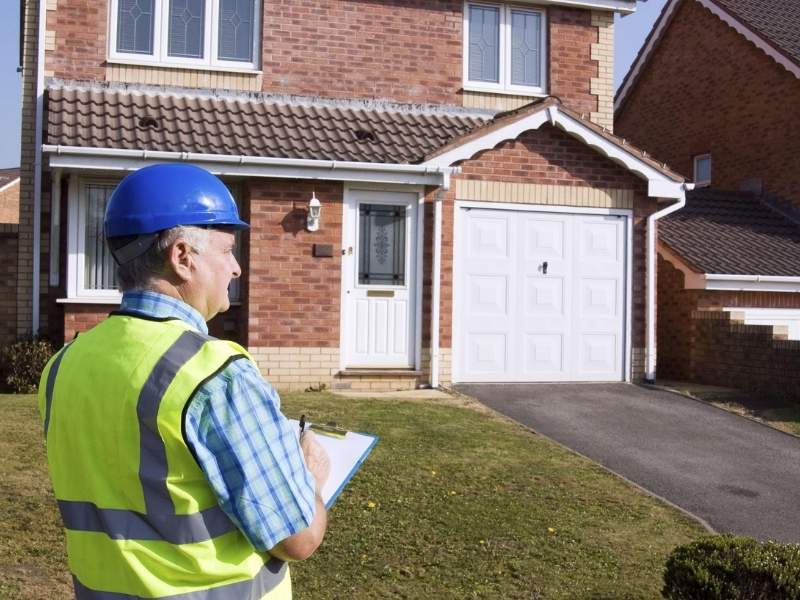
Most developers know they need an as-built survey to close out a permit. Few know what’s actually inside it.
An as-built survey records what was built on a site. Not what was designed. Not what the permit showed. What was actually constructed and where it ended up. Every measurement comes from field work done after construction is complete.
Here’s a breakdown of what gets recorded.
What Gets Measured on an As-Built Survey
A surveyor visits the finished site after construction. They measure every improvement and record the results.
The goal is simple: document the actual finished conditions. Permit offices, lenders and future owners all rely on this record.
The measurements fall into clear categories. Each one serves a different purpose.
Structure and Building Placement Data
The first thing measured is where the building sits on the lot. The surveyor records the building’s position relative to each property line.
Setback Measurements
Setbacks are the distances from the building to each property line. The surveyor measures the front, rear and both sides.
These numbers are compared to the approved permit. If the building is too close to a line, it shows up here.
Permit offices check these numbers before issuing a certificate of occupancy. A violation found now is fixable. The same violation found years later during a sale is a much harder problem.
Finished Floor Elevations
The surveyor records the elevation of the lowest finished floor. This number matters for flood insurance and building code compliance.
It appears on FEMA Elevation Certificates. Lenders and insurers use it to set flood insurance requirements. It also confirms the structure meets the minimum floor height required by local code.
Underground Utility Locations
As-built surveys record where utility lines were actually installed. This includes water lines, sewer laterals, electrical conduit and gas connections.
This data stays useful long after the project closes. Repair crews use it to find lines without digging blindly. Future developers use it to avoid cutting existing lines.
The surveyor records the horizontal location of each utility. Where access points exist, depth gets recorded too. Everything is tied to the building or property lines with clear dimensions.
Site Features and Hardscape
Every permanent improvement on the lot gets measured. The as-built drawing records:
- Driveways, parking areas and access points with dimensions
- Walkways, patios and concrete pads
- Retaining walls with top and bottom elevations
- Fences and gate locations along property lines
- Drainage features including swales, catch basins and retention areas
- Utility meter locations that affect setback calculations
Each item is placed on the drawing in its exact position relative to the property lines.
Grade and Drainage Elevations
Many as-built surveys include spot elevations around the site. These show the finished grade at key points.
They confirm that drainage directs water away from the structure. For commercial projects, drainage compliance is often a permit condition.
If drainage problems come up later, the as-built elevations show what conditions looked like at closeout. That record matters when disputes arise.
How the As-Built Compares to the Approved Plans
Construction doesn’t always go exactly as designed. Utility runs shift. Buildings move slightly during layout. Site features get relocated.
The as-built records what was actually built. When it differs from the plans, the surveyor records the actual measurements. That’s what makes the document legally accurate.
Small deviations are common. They usually don’t cause problems if setbacks and easements are still met. Larger deviations may trigger a permit office review. The as-built is what reveals which situation you’re in.
How the Data Appears on the Final Drawing
All measurements go onto a scaled drawing prepared by the licensed surveyor. The drawing includes:
- A north arrow and scale bar
- Property boundary lines with bearings and distances
- All structures and improvements with dimensions
- Setback distances from the building to each property line
- Utility locations with distance references
- Drainage features and spot elevations
- The surveyor’s professional stamp and certification date
The surveyor signs and seals the final document. That makes it a legally certified record. Most permit offices, lenders and title companies require it in this form.
Most jurisdictions also require the drawing to reference the recorded plat. This ties the field measurements to the legal property description on file.
Frequently Asked Questions
Does an as-built survey include underground utility depths?
Where access points exist, yes. Surveyors measure depth at cleanouts and meter pits. For lines with no access points, only horizontal location is recorded. Depth may come from contractor records instead. Ask your surveyor what utility data is accessible before they visit the site.
Is an as-built survey the same as a record drawing?
They refer to the same thing. The term “record drawing” is common on engineering and infrastructure projects. “As-built survey” is used when a licensed surveyor certifies the document. Both record what was built, not what was designed.
Does the as-built survey show interior dimensions?
No. It records the exterior location and footprint of the structure. It shows where the building sits on the lot relative to property lines and site features. Interior dimensions are part of architectural drawings, not the surveyor’s scope.
What happens if the as-built measurements differ from the approved plans?
Small differences are common and usually don’t cause problems. Setback and easement requirements still need to be met. Larger differences may require a variance or plan revision before a certificate of occupancy is issued. The as-built survey is what surfaces those differences.
How is an as-built survey different from a topographic survey?
A topographic survey documents existing ground conditions before or during design. An as-built survey documents what was built after construction. Topographic surveys help with planning. As-built surveys confirm what actually got built.