
What the Law Says About Licensed Surveyors
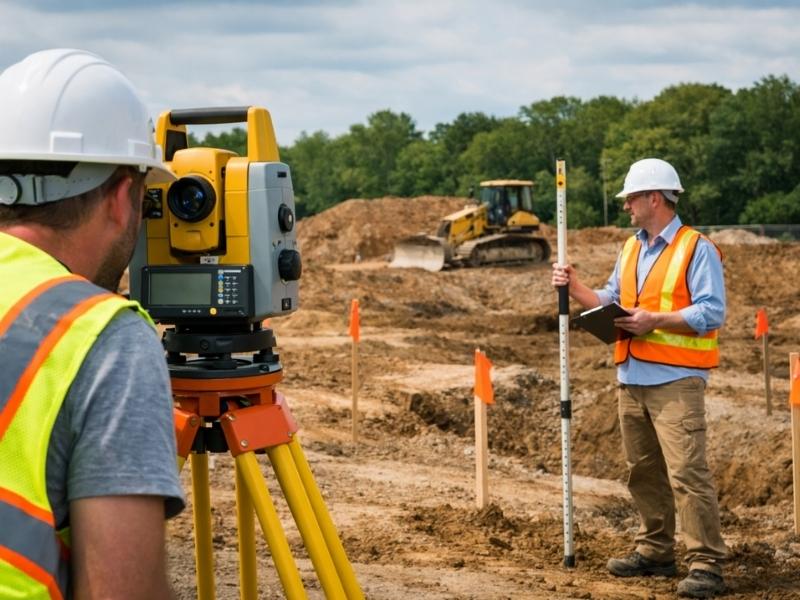
Licensed surveyors play a critical role in development, permitting, and property transactions. In most states, land surveying is regulated under state licensing laws. These laws define land surveying as a professional service that can only be performed, supervised, and certified by someone holding an active land surveyor license.
State regulations make this a firm requirement. Anyone providing regulated survey services without proper licensing may face legal penalties. The practical question is which tasks actually trigger that requirement. The list is longer than many developers expect.
When a Licensed Surveyor Is Legally Required
Subdivision and Platting
Subdivision laws generally require plats to be prepared and certified by a licensed surveyor before they can be recorded. No other professional can typically sign a plat for recording purposes.
If you’re dividing land into multiple lots for sale or development, a licensed surveyor is usually required. Requirements vary by state and local jurisdiction.
Building Permit Applications
Most permit offices require a survey bearing a licensed surveyor’s stamp before approving permits for new construction, additions, pools, and site improvements.
The survey confirms setbacks, verifies lot dimensions, and shows that proposed work will not encroach on easements or neighboring properties. An engineer’s site plan often cannot substitute for a certified survey. Permit offices usually require a surveyor’s stamp before moving forward.
FEMA Elevation Certificates
A FEMA Elevation Certificate documents the elevation of a structure relative to the Base Flood Elevation. This document may be required for flood insurance and certain flood-related applications.
Federal guidelines allow these certificates to be completed by qualified professionals depending on local requirements. In practice, many lenders and insurance providers still prefer or require certification from a licensed surveyor.
Legal Boundary Disputes and Court Proceedings
When boundary disputes move into legal proceedings, judges do not rely on sketches, old deeds, or verbal accounts. A boundary determination prepared and certified by a licensed surveyor carries legal and evidentiary weight.
Many disputes are resolved before reaching court, but the same standard often applies. Attorneys and mediators frequently rely on a licensed surveyor’s professional findings during negotiations.
Mortgage and Title Insurance
Lenders and title companies often require a survey certified by a licensed surveyor before closing a property purchase or refinance.
Without a licensed surveyor’s stamp, the transaction may stall. Lenders may delay funding, and title companies may refuse coverage until proper documentation is provided.
What an Engineer or Contractor Cannot Legally Do
This confuses many developers. A licensed engineer and a licensed surveyor hold separate professional credentials. Their responsibilities do not automatically overlap.
An engineer may design structures, approve drainage plans, and certify construction drawings. However, engineers generally cannot certify boundary surveys or prepare subdivision plats unless they also hold the required surveying credentials where permitted by law.
Contractors also cannot certify survey work. No contractor license replaces a surveyor license, regardless of field experience or measurement ability.
What Happens When Unlicensed Survey Work Gets Submitted
Permit offices regularly identify improperly prepared survey documents. Unlicensed or incorrectly stamped surveys are often rejected. The applicant then has to hire the correct professional and repeat part of the process.
The legal risk goes beyond permit delays. Depending on state regulations, unlicensed surveying can result in fines, legal penalties, and invalid documentation.
The person trying to save money on unlicensed work often ends up paying for it twice.
Frequently Asked Questions
Does the law require a licensed surveyor for all property transactions?
Not every transaction requires a new survey by law. However, many permit applications, subdivision projects, and flood-related requirements call for a licensed surveyor. In many situations, lenders and title company requirements create practical obligations beyond legal requirements.
Can a licensed engineer sign a survey in place of a licensed surveyor?
Generally, no. Engineers and land surveyors hold separate professional licenses. Unless someone holds both credentials where allowed by state law, an engineer cannot certify a boundary survey or subdivision plat.
What is a licensed land surveyor?
A licensed land surveyor is a professional authorized by a state licensing authority to perform and certify land surveys. Surveyors produce legally recognized documents used for permitting, legal proceedings, and property transactions.
What are the penalties for practicing land surveying without a license?
Penalties vary by state and local law. They may include fines, legal consequences, and rejection of submitted documents. Work completed without proper licensing may have little or no legal standing.
Are there situations where a licensed surveyor is not legally required?
Yes. Preliminary feasibility studies, internal planning exercises, and rough layout work for early design discussions may not require a licensed stamp. Requirements typically apply when documents are submitted for permitting, legal matters, or financial transactions.