↓
 

Mobile Land Surveying

...local land surveyors in Mobile, Alabama.

Mobile Land Surveying
  • Home
  • ALTA Survey Mobile AL
  • Boundary Survey
  • Construction Survey
  • Drone LiDAR Mapping
  • Elevation Certificate | Flood Survey
    • Flood Survey
  • Land Surveying
  • Lot Survey
  • Topographic Survey
  • Mobile County, AL
    • Mobile, AL
    • Alabama Port, AL
    • Bayou La Batre, AL
    • Calvert, AL
    • Chickasaw, AL
    • Citronelle, AL
    • Creola, AL
    • Dauphin Island, AL
    • Eight Mile, AL
    • Grand Bay, AL
    • Mount Vernon, AL
    • Prichard, AL
    • Saraland, AL
    • Satsuma, AL
    • Semmes, AL
    • Theodore, AL
    • Tillmans Corner, AL
  • Baldwin County, AL
    • Daphne, AL
    • Fairhope, AL
    • Foley, AL
    • Gulf Shores, AL
    • Bay Minette, AL
    • Bon Secour, AL
    • Elberta, AL
    • Loxley, AL
    • Magnolia Springs, AL
    • Orange Beach, AL
    • Perdido, AL
    • Perdido Beach, AL
    • Point Clear, AL
    • Robertsdale, AL
    • Silverhill, AL
    • Spanish Fort, AL
    • Summerdale, AL
  • Jackson County, MS
    • Pascagoula, MS
    • Gautier, MS
    • Moss Point, MS
    • Ocean Springs, MS
    • Vancleave, MS
  • Washington County, AL
    • Chatom, AL
    • Leroy, AL
    • McIntosh, AL
    • Millry, AL
    • St. Stephens, AL
  • Blog
  • Contact Us
Home - Page 4 << 1 2 3 4 5 6 … 9 10 >>

Post navigation

← Older posts
Newer posts →

What Surveying Companies Check 

Mobile Land Surveying Posted on May 11, 2026 by MobileSurveyorMay 7, 2026
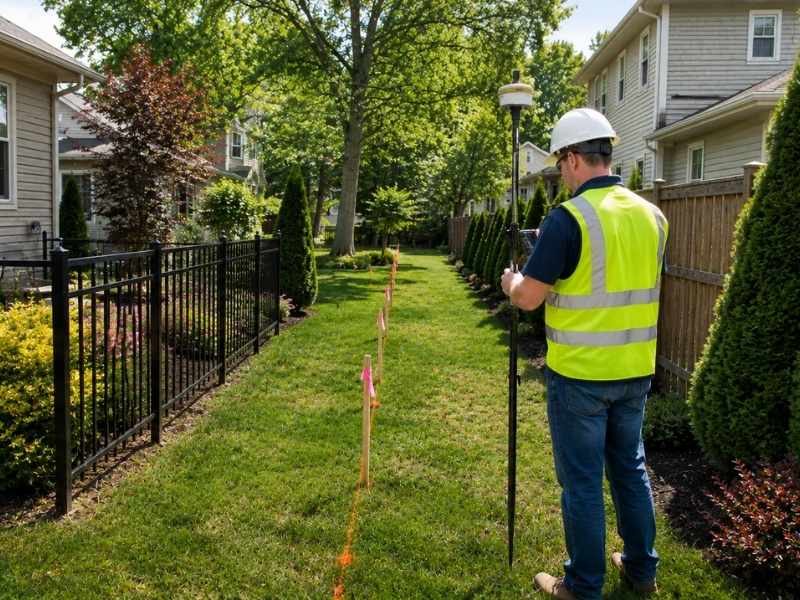
Land surveyor checking residential property lines before fence installation

Many homeowners contact surveying companies after problems appear, not before. They pick a fence style, hire a contractor, and expect the project to move quickly.

Then the issues start.

A neighbor questions the fence location. A utility company flags the area. Worse, part of the fence ends up outside the property line.

That happens more often than people think.

In Mobile, many properties have older lot records, hidden survey markers, and uneven property lines. Because of that, homeowners often call surveying companies before fence construction starts. A survey helps confirm where the fence can legally go before money gets spent.

Why Should You Call Surveying Companies Before Building a Fence?

Surveying companies help confirm where your property lines are before fence work starts. They check records, markers, easements, and site conditions so your fence does not cross into a neighbor’s land or block utility access. This helps homeowners avoid removal costs, disputes, and delays.

Why Fence Projects Often Turn Into Property Disputes

Many homeowners believe the edge of the yard shows the real property line.

That is not always true.

Sometimes an older fence sits in the wrong spot. Other times, neighbors guessed where the line should be years ago. Over time, those guesses turn into expensive problems.

Trees, bushes, and landscaping also hide property corners. In some neighborhoods, original markers disappeared because of storms, erosion, or construction work.

As a result, homeowners may build a new fence in the wrong place without realizing it.

Later, the fence may need to come down. That creates stress, extra costs, and neighbor disputes that could have been avoided early.

What Do Surveying Companies Check Before Fence Installation?

Before fence installation, surveying companies check boundary lines, easements, encroachments, visible property markers, and possible site restrictions. They compare legal records with real conditions on the property. This gives homeowners and fence contractors clear information before posts go into the ground.

Property Boundary Lines

Wooden stake with a blue ribbon tied at the top, outdoors among rocks and dry brush, serving as a marker.

The biggest part of the survey involves locating the true property boundaries.

Surveyors measure the land carefully and search for existing markers. They also compare deed information with the actual site.

This step matters because property lines rarely match what homeowners assume.

A yard may look wide open, yet the legal boundary could sit several feet away from where someone expects. That small difference can completely change fence placement.

Easements

Surveying companies also check for easements.

An easement gives another party legal access to part of the property. Utility companies often hold easements for:

  • power lines
  • drainage systems
  • underground pipes
  • access areas

Homeowners sometimes build fences across those areas without knowing it.

Later, utility crews may remove part of the fence to reach the equipment. That surprises many property owners.

Because of this, surveying companies help identify restricted areas before construction starts.

Encroachments

Next, surveyors look for encroachments.

An encroachment happens when a structure crosses a property boundary. This may involve:

  • sheds
  • driveways
  • older fences
  • retaining walls
  • patios

Even a small overlap can create legal problems later.

For example, a new fence may accidentally connect to a neighbor’s misplaced structure. That mistake can quickly turn into a property dispute.

Setback and Fence Rules

Surveying companies may also help homeowners understand local fence placement concerns.

In Mobile, fence height, placement, and visibility rules can vary depending on the property location and zoning district. Some street-facing fences may have additional restrictions.

Because of that, homeowners should confirm local fence requirements before construction begins.

A survey helps connect those rules to the actual property lines on the ground.

Why Are Mobile Properties Harder to Check?

Mobile properties can create extra challenges during fence planning.

Many neighborhoods contain older homes with records that changed over time. Some lots also have irregular shapes that confuse homeowners.

In addition, heavy rain and coastal weather affect the ground itself. Over the years, erosion and drainage changes may shift visible property features.

Thick vegetation creates another problem. In some yards, bushes and trees completely hide survey markers.

As a result, homeowners often rely on guesses instead of verified measurements.

That creates risk before fence construction even begins.

Common Mistakes Homeowners Make Before Building a Fence

Fence problems usually start with small assumptions.

Unfortunately, those assumptions often cost money later.

Assuming the Existing Fence Is Correct

Many people think the old fence shows the correct property line.

That is not always true.

A previous owner may have installed the fence without a survey. In some cases, contractors placed fences based only on rough measurements.

If the old fence sits incorrectly, copying that same location creates the same mistake again.

Using Online Maps as Proof

Some homeowners check satellite maps online and assume the lines look accurate.

However, online maps do not provide legal boundary information.

The image may appear close, yet the actual property line could differ by several feet.

That gap matters during fence construction.

Skipping the Survey to Save Money

Some property owners avoid surveys because they want to lower project costs.

At first, that seems reasonable.

However, fixing a bad fence location usually costs far more than the survey itself.

Fence removal, legal disputes, and reconstruction quickly become expensive.

Because of that, many homeowners choose to verify the property lines first.

When Should You Contact a Surveying Company?

You should contact a surveying company before building a fence if property markers are missing, the fence will sit near the property line, a neighbor questions the boundary, or utilities run nearby. A survey is also helpful after buying a home or replacing an old fence.

You should also contact surveying companies if:

  • no property markers are visible
  • the fence will sit near the property edge
  • an older fence already looks uneven
  • utilities or drainage areas exist nearby
  • you recently purchased the property

These situations increase the chance of mistakes during installation.

What Happens During a Fence Survey?

The process usually starts with a site visit.

Surveyors inspect the property, review records, and take measurements. They also search for existing markers and corners connected to the lot.

Next, they compare field data with legal documents.

After that, they mark important points on the property so homeowners and contractors can clearly see the layout.

This information helps guide the fence installation before construction begins.

As a result, everyone works from the same boundary information.

How Does a Survey Protect Your Fence Investment?

A survey protects your fence investment by helping you build in the right location the first time. It reduces the risk of neighbor disputes, utility access problems, permit issues, and costly fence removal. It also gives your contractor a clearer layout to follow.

A fence adds privacy, security, and value to a property.

Still, problems with placement can damage all of those benefits.

Most importantly, homeowners gain peace of mind before construction starts. That confidence matters when investing in a long-term project like a fence.

Posted in land surveying | Tagged Land Surveying, land surveying mobile

What an ALTA Survey Shows About Easements 

Mobile Land Surveying Posted on May 7, 2026 by MobileSurveyorMay 7, 2026
Aerial view of a commercial property showing ALTA survey easements, shared access areas, and utility boundary markings

A commercial property can look perfect at first glance. The lot seems large. The building fits your plans. There is space for parking, signs, or future expansion. So, you move forward with the deal.

Then the problems show up.

A utility company may have rights to part of the land. A neighboring business may share access through the property. Drainage lines may run under areas you planned to build on.

Suddenly, the property does not work the way you expected.

This is why many buyers order an ALTA survey before closing on commercial property. It helps uncover easements and other issues before money changes hands. Many lenders also require an ALTA survey before approving commercial real estate financing.

What you learn early can save you from major problems later.

What Is an Easement in an ALTA Survey?

An easement gives another party legal rights to use part of a property for specific purposes like utilities, drainage, or access. An ALTA survey helps identify these easements before a commercial property purchase so buyers can understand how they may affect future construction, parking, expansion, or site access.

An easement gives someone else the right to use part of a property for a specific reason.

That sounds simple. However, easements can affect how the land works in real life.

Some easements allow utility companies to access power lines or underground pipes. Others allow nearby properties to share driveways or access roads.

In many cases, the easement stays attached to the land even after ownership changes. That means the new buyer must deal with it too.

For example, you may buy a commercial lot planning to expand the parking area. Later, you learn that a utility easement runs directly through the space where the new pavement should go.

Now the project changes.

Why Easements Matter Before Buying Commercial Property

Easements can limit how commercial property owners use their land. They may affect parking layouts, building additions, drainage systems, truck access, and redevelopment plans. An ALTA survey helps buyers identify these restrictions before closing so they can avoid expensive surprises later.

Commercial land usually has more moving parts than residential property.

Businesses need parking, truck access, drainage systems, signs, and room for customers. Every part of the site matters.

Because of that, even a small easement can create a big problem.

A shared driveway may limit traffic flow. A drainage easement may stop future expansion. A utility easement may block new construction.

These problems often stay hidden until design work begins. That is why buyers should not wait until after closing to look deeper into the property.

Instead, they should understand the site before making a final decision.

What an ALTA Survey Shows About Easements and Property Access

Close-up of a commercial ALTA survey site plan showing utility, drainage, and access easements during a property review meeting

An ALTA survey compares legal title documents with actual site conditions. It can reveal recorded easements, shared access routes, utility areas, encroachments, and conflicts between documents and real-world property conditions before a commercial property purchase moves forward.

ALTA surveys follow standards created by the American Land Title Association (ALTA) and the National Society of Professional Surveyors (NSPS).

This survey does much more than show boundary lines.

An ALTA survey can reveal:

  • recorded easements
  • access routes
  • utility areas
  • encroachments
  • shared driveways
  • visible improvements
  • conflicts between documents and field conditions

The survey also works closely with title documents. That matters because some easements may appear in legal records but not stand out during a simple walk around the property.

Without an ALTA survey, buyers may miss important restrictions tied to the land.

That mistake can become expensive later.

How Utility Easements Can Limit Commercial Property Use

Utility easements may restrict where owners can build, pave, expand, or install new improvements on commercial property. An ALTA survey helps identify these areas early so buyers understand how utility access rights may affect future development plans.

Utility easements create some of the biggest surprises during commercial property purchases.

Many buyers focus on the building itself. However, utility companies often control parts of the land around it.

Common utility easements shown on an ALTA survey include:

  • water lines
  • sewer systems
  • underground electrical lines
  • communication cables
  • storm drainage systems

The land may still look open and usable. Yet the easement can limit what gets built there.

For example, you may want to add:

  • extra parking
  • a dumpster enclosure
  • outdoor seating
  • storage space
  • a building addition

Then you discover the utility company needs access through that exact area.

Now your plans change completely.

This happens more often than people think.

Why Access Easements Matter Before Buying Commercial Property

Access easements allow neighboring properties or businesses to legally cross part of a property. These agreements can affect traffic flow, parking design, deliveries, and redevelopment plans. An ALTA survey helps buyers identify these shared access rights before closing.

Some commercial properties depend on shared access.

One property may need to cross another lot to reach the road. Nearby businesses may share entrances, driveways, or loading areas.

At first, that may not seem like a problem.

However, shared access can affect traffic flow, parking design, deliveries, and future redevelopment.

Imagine buying a corner property for a retail business. You plan to redesign the parking lot and improve traffic movement.

Then the ALTA survey shows that a neighboring business has legal access rights through part of the lot.

Now you cannot fully control the property layout.

That changes the value of the land and the design options moving forward.

Why Lenders and Title Companies Require ALTA Surveys

Lenders and title companies often require ALTA surveys because they help confirm legal access, identify easements, verify property boundaries, and reduce commercial real estate risk before financing and title insurance move forward.

Lenders want to reduce risk before approving large commercial loans. Title companies want clear information before issuing title insurance.

That is why many commercial deals require an ALTA survey.

The survey helps confirm:

  • legal access
  • property boundaries
  • easements
  • visible site conditions
  • possible conflicts

Title companies also use ALTA surveys to help identify risks that may affect title insurance coverage.

It also helps buyers understand whether the property matches the title records.

If problems appear early, the buyer can address them before closing instead of dealing with surprises later.

That protects everyone involved in the transaction.

Why Buyers Should Identify Easement Problems Before Closing

Easement problems can delay construction, increase redesign costs, reduce usable land, and create long-term property restrictions. An ALTA survey helps commercial property buyers uncover these issues early before permits, financing, or development plans move forward.

Many buyers think about today’s use of the property. However, future plans matter too.

A site may work fine right now. Still, easements can limit future improvements later.

This becomes a bigger issue in growing commercial areas where owners want to:

  • expand buildings
  • redesign parking
  • improve drainage
  • add outdoor features
  • redevelop older properties

Older commercial properties often contain easements created decades earlier that may not match modern redevelopment plans.

Without an ALTA survey, buyers may not discover these restrictions until architects, engineers, or contractors begin planning work.

At that point, redesign costs can rise quickly.

Commercial property costs too much to rely on guesses.

A property may look open, simple, and ready for development. Yet hidden easements can change how the land functions.

That is why an ALTA survey matters before closing.

It helps buyers see restrictions that may affect construction, access, parking, drainage, and long-term property use.

More importantly, it gives buyers a clearer picture of what they are actually purchasing.

Finding these issues early gives you more control, more confidence, and fewer surprises after closing.

That can save time, money, and major frustration later on.

Posted in alta survey | Tagged alta survey, Land Surveyor Mobile AL

What Type of Land Survey Do You Need for Your Property?

Mobile Land Surveying Posted on April 21, 2026 by MobileSurveyorApril 21, 2026
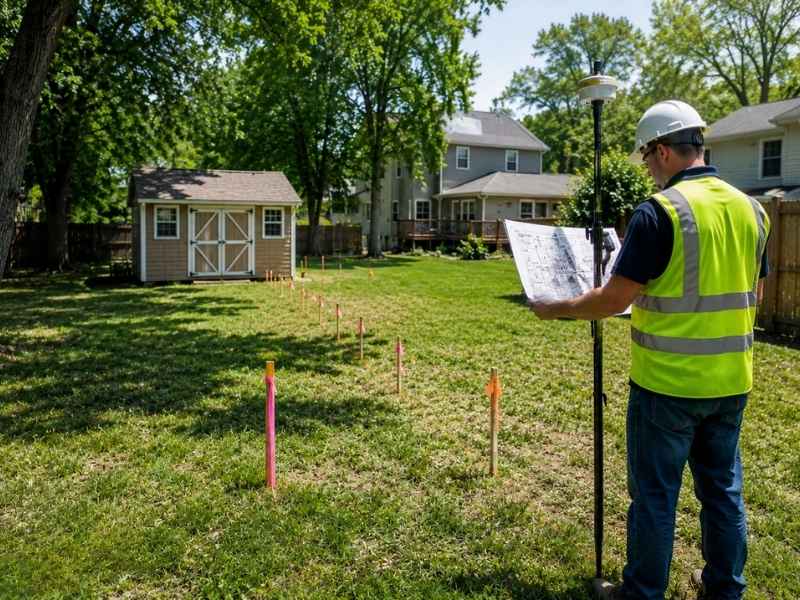
Land surveyor using total station equipment in the field representing different types of land surveys for property planning

Buying land or planning to build sounds simple at first. Then the questions start. Where are the exact property lines? Can you build right away? Do you need a survey before closing?

Many people feel stuck at this point. They hear terms like boundary survey or topographic survey, but they don’t know which one fits their situation.

The truth is, the right survey depends on what you plan to do with your property. Once you understand that, the choice becomes much clearer.

Why the Right Land Survey Matters

A land survey gives you facts about your property. It shows where your land begins and ends. It also reveals details you can’t see just by looking at the ground.

If you choose the wrong type, problems can show up later. A permit might get delayed. A builder might stop work. A neighbor might question your property line.

So, the survey is not just paperwork. It helps you avoid costly mistakes and keeps your project moving forward.

Start With Your Plans for the Property

The best way to pick a survey is to think about your goal first.

Some people want to buy land and make sure everything checks out. Others want to build a home and need the land mapped out. In some cases, there is already a problem, like a fence sitting in the wrong place.

Each situation leads to a different type of survey.

For example, a buyer needs clear property lines before closing. A builder needs details about the shape of the land. A homeowner dealing with a dispute needs legal proof of boundaries.

So instead of focusing on survey names, focus on what you need to accomplish.

When You Need to Confirm Property Lines

Property lines cause more trouble than most people expect.

A boundary survey gives you a clear answer. It shows the exact edges of your land and marks the corners. That way, you know what belongs to you.

This becomes important when buying property. It also matters if you plan to build a fence or if a neighbor questions your boundary.

Without this survey, you rely on guesswork. That’s where problems begin.

When You Plan to Build on the Land

Building a home or structure requires more than just knowing the boundary.

The shape of the land matters. Some areas slope. Others collect water. A topographic survey maps all of this. It shows elevation changes, low spots, and natural features.

Builders use this information to design safe and stable structures. It also helps with drainage planning, which protects your property over time.

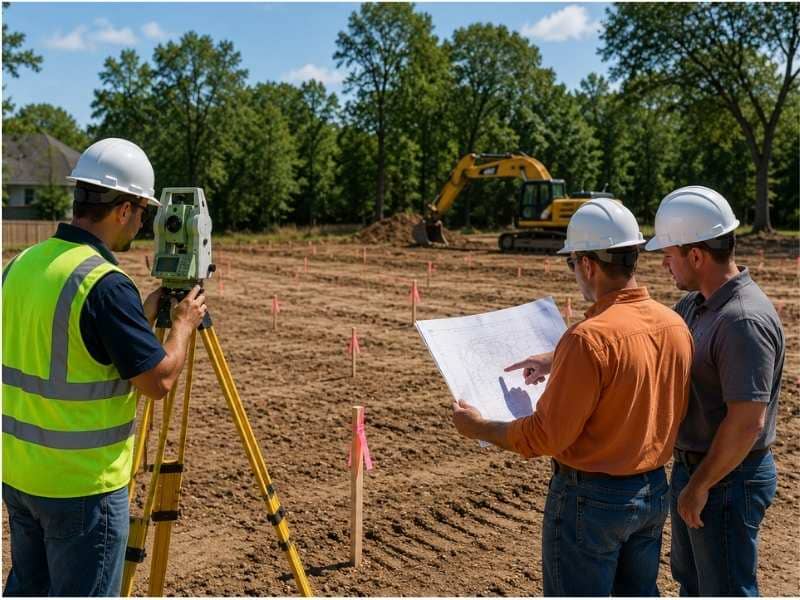
As construction moves forward, another step comes into play. Construction staking places markers on the ground to show exactly where the structure should go. This keeps the build aligned with the plans.

When You Are Buying Commercial Property

Commercial deals usually need more detail.

An ALTA survey covers boundaries, but it also includes easements, access points, and existing improvements on the property. Lenders and title companies often require this before closing.

This type of survey gives a full picture of the property. It helps buyers avoid hidden issues that could affect the deal.

When You Want to Divide or Develop Land

Some property owners want to split their land into smaller lots.

A subdivision survey handles that process. It follows local rules and creates new legal boundaries for each lot.

This step is important if you plan to sell part of your land or develop multiple homes. Without it, the division may not meet legal standards.

When Flood Risk Is a Concern

Flood zones can affect both building plans and insurance costs.

An elevation survey measures how high your property sits compared to flood levels. This data helps determine if you need flood insurance and how much it may cost.

In many areas, this survey is required before construction can begin. It also helps protect your investment in the long run.

Avoiding Common Mistakes

Many property owners rush this step. They pick the cheapest option or assume one survey covers everything.

That approach often leads to delays or extra costs later. In some cases, people skip the survey before buying land, which creates bigger issues down the line.

A short conversation with a licensed surveyor can prevent these problems. It gives you a clear direction before you spend money.

Choosing the Right Survey From the Start

Every property is different, so there is no single answer for everyone.

Still, the pattern is simple. Buyers need clear boundaries. Builders need land details. Developers need legal layouts. Property owners in flood zones need elevation data.

Once you match your goal with the right survey, the process becomes easier.

Starting with the correct survey keeps your project on track and helps you move forward with confidence.

Posted in blog, land surveying | Tagged land surveying mobile al, Land Surveyor Mobile AL

Post navigation

← Older posts
Newer posts →

Contact Form

    © Copyright Mobile Land Surveying
    (...a T. Brandon Bailey, PLS marketing website.)
    208 Mohawk Street
    Mobile, AL, 36606
    Phone: (251) 281-2081

    Web Development and SEO by:
    SEO Company for Professionals

    Terms of Use | Privacy Policy

    The owner of this website, USA Surveying & Engineering, LLC., provides coordination of professional land surveying and engineering services in all 50 states. The professional surveying and engineering services provided to you will be conducted by fully licensed professionals in your state.

    Privacy Policy
    ↑